Cream chargers, typically referred to as whipped cream battery chargers or N2O cream battery chargers, are small metal cylinders filled with laughing gas (N2O) used mainly in the cooking world. They serve a vital role in developing light and airy whipped cream, to name a few cooking applications. Nevertheless, while they play a considerable role in modern gastronomy, their ecological impact is progressively being scrutinized. This post aims to look into the complex relationship between cream battery chargers and ecological sustainability.
What is a Cream Charger?
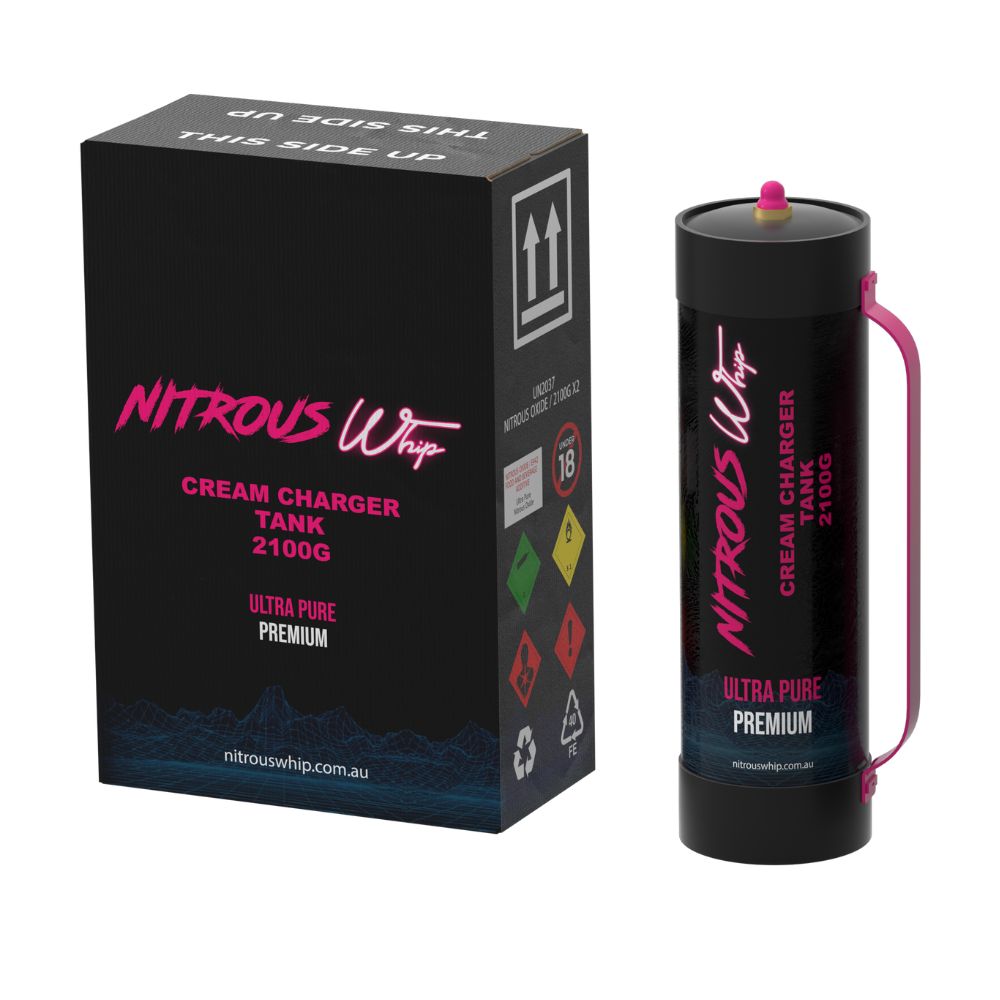
A cream charger is a small, cylindrical cartridge filled with laughing gas gas. These chargers are usually made from steel and can be found in different brands such as BestWhip, NitrousWhip, MOSA, Whip-It, and Supremewhip. The purpose of these battery chargers is to provide a practical means of instilling laughing gas into liquid cream, resulting in a fluffy texture suitable for desserts and beverages.
The Function of Laughing gas in Cream Chargers
Nitrous oxide serves several functions when used in cream chargers. Mostly, it functions as a propellant that creates pressure inside the container. When the battery charger is inserted into a whipped cream dispenser and pierced, the laughing gas quickly expands and liquifies into the liquid cream. Upon release from the dispenser, this gas forms bubbles within the cream, creating a light and airy consistency.
Common Brands of Cream Chargers
Several brand names dominate the marketplace for cream battery chargers:
- BestWhip: Understood for its dependability and quality. NitrousWhip: Offers an eco-friendly alternative. MOSA: Popular amongst professional chefs. Whip-It: Often recognized for affordability. Supremewhip: Valued for its constant performance.
These brand names contribute considerably to both domestic and business food preparation.
Exploring the Environmental Effect of Cream Chargers
As customers become more environmentally conscious, concerns about how products impact our planet have actually become more common. The ecological footprint of cream chargers encompasses different aspects consisting of production processes, disposal approaches, and general carbon emissions associated with their use.
Production Procedures of Cream Chargers
The production process of cream battery chargers involves numerous phases:
Material Sourcing: A lot of chargers are made from steel which requires mining and processing-- activities that consume energy resources and produce greenhouse gases.
Manufacturing Emissions: The production stage consists of machinery operation that discharges contaminants into the environment.
Transport Logistics: When manufactured, chargers should be distributed internationally which adds another layer of carbon emissions due to transport logistics.
Disposal Methods for Utilized Cream Chargers
Proper disposal methods play a necessary role in mitigating environmental damage:
- Recycling: Steel can be recycled; nevertheless, numerous users do not deal with them correctly. Landfill Issues: Disposing them in landfills leads to waste build-up which impacts local ecosystems. Environmental Laws: Some areas have specific policies relating to N2O gas emissions that producers must comply with.
Carbon Footprint Related to Cream Chargers
The carbon footprint linked to whipped cream chargers involves direct emissions from laughing gas in addition to indirect emissions from production and transportation processes.
Understanding Nitrous Oxide Emissions
Nitrous oxide is thought about a potent greenhouse gas with international warming prospective far going beyond that of co2 (CO2). According to studies by reputable ecological organizations:
- One molecule of N2O has a global warming potential comparable to roughly 298 times that of CO2 over a 100-year period. Even though N2O utilized in culinary applications contributes just a portion compared to commercial sources, its cumulative impact raises concerns about long-term sustainability.
Sustainable Alternatives to Conventional Cream Chargers
Given the ecological challenges associated with conventional cream chargers, alternative options have actually emerged:
Eco-friendly Cream Chargers
Some companies are developing environmentally friendly alternatives that utilize less harmful gases or focus on sustainable production practices:
- Biodegradable alternatives: New naturally degradable materials are being checked out for producing non reusable whipping devices. Rechargeable dispensers: Devices created for refillable use can considerably lower waste related to single-use items.
Innovative Cooking Techniques
Additionally, chefs are exploring innovative methods to develop whipped textures without relying exclusively on standard approaches:
Using aquafaba: The liquid from chickpeas can be whipped similarly to egg whites.
Alternative foaming representatives: Natural gums or emulsifiers may produce comparable results without excessive reliance on nitrogen-based propellants.
The Guideline Landscape Surrounding Cream Chargers
As awareness grows about environmental impacts associated with laughing gas use in food products like whipped creams, regulatory structures are developing around their use:
Local Laws on Laughing gas Usage
Cities or areas may enforce limitations on sales or use due to health issues connected with abuse or waste management concerns connected to N2O gas canisters.
Global Efforts Towards Sustainability
International arrangements focus on reducing greenhouse gas emissions include provisions affecting industries reliant on nitrous oxide-- Website link therefore affecting makers of items like whipped cream chargers.
Consumer Awareness and Responsibility
With consumers wielding considerable impact over market trends through buying options:
Educating Customers About Correct Disposal
Efforts ought to concentrate on educating consumers relating to efficient recycling procedures rather than just disposing of empty cartridges indiscriminately.
Informed Getting Decisions
Consumers need to think about brands' commitments toward sustainability when selecting their chosen suppliers-- opting for those who actively promote responsible production practices might help drive change within this market segment.
FAQs
1. What are cream battery chargers made from?
Cream battery chargers are mostly made from steel which is recyclable however requires appropriate disposal methods by consumers.
2. How does nitrous oxide affect the environment?
Nitrous oxide is a powerful greenhouse gas contributing substantially to climate modification due its high worldwide warming capacity compared to CO2 emissions.
3. Are there environmentally friendly alternatives available?
Yes! Some business offer eco-friendly options while others focus on creating refillable dispensers or using alternative lathering agents rather of standard nitrogen-based solutions.
4. Can I recycle my used cream charger?
Yes! Steel cream battery chargers can be recycled; nevertheless appropriate disposal practices need to be followed by consumers so they don't end up in landfills unnecessarily contributing waste buildup over time!
5. How can I minimize my ecological impact when utilizing whipped cream?
To minimize your ecological effect think about choosing eco-friendly brand names committed towards sustainable production practices while ensuring you get rid of off any used products responsibly through recycling programs where available!
6. Is there any guideline worrying laughing gas usage?
Yes! Various areas impose policies focused on restricting use largely focused around health impacts coming from inappropriate handling along with addressing overall sustainability concerns tied straight back towards greenhouse gas emission levels outputted throughout manufacturing processes included therein!
Conclusion
As we check out the complex relationship in between cooking tools like whipped cream battery chargers-- specifically focusing on their wider environmental ramifications-- it becomes clear that customer option plays an essential role shaping future patterns within this market sector progressing! By demanding greater accountability from manufacturers along with making informed purchase choices ourselves we may help cultivate positive changes toward attaining more sustainable results across all aspects related not just limited entirely toward cooking applications but extending far beyond into holistic efforts targeted at promoting total environmental wellbeing internationally too!